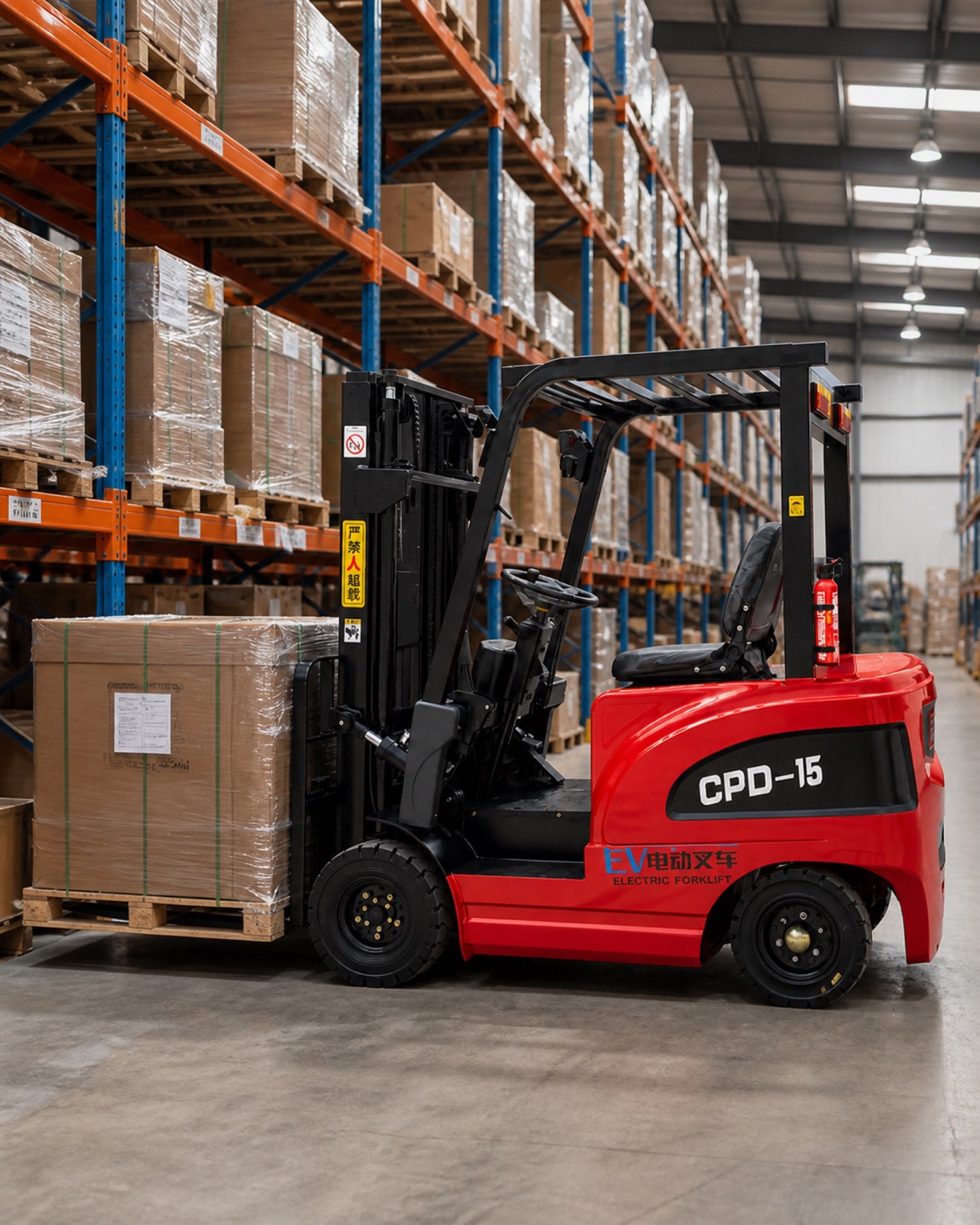
Compare the same job
A purchase price is only one part of a forklift budget. Compare machines that can perform the same load, height and duty requirements. A cheaper machine that does not suit the application is not a meaningful alternative.
Build a transparent cost worksheet
Include acquisition, charging or fuel infrastructure, energy, scheduled maintenance, consumables, expected downtime and eventual battery replacement where relevant. Separate supplier quotations from assumptions.
| Cost category | Evidence to collect |
|---|---|
| Initial equipment | Like-for-like written quotations |
| Energy | Local tariffs and a representative duty estimate |
| Infrastructure | Site assessment and installation quotation |
| Service | Maintenance schedule and local labour costs |
| Availability | Support arrangements and parts lead times |
Consider the working environment
An electric forklift has no engine exhaust at its point of use. That does not make every electric truck suitable for every enclosed area or specialist environment. The site still needs an appropriate operational assessment. Outdoor surfaces, gradients, weather exposure and charging arrangements should also be discussed.
Test the assumptions
Calculate more than one scenario: a quiet shift, normal utilisation and peak workload. If the result depends heavily on one uncertain figure, ask for better evidence before purchasing. Avoid treating an advertised percentage saving as a guaranteed result for your operation.
Ask for configuration-specific information
Battery chemistry, capacity, charger specification and service arrangements can change the comparison. Request these details in writing. This article provides a purchasing framework, not a promised saving or a quote for a particular model.